A Helping Hand: Some sage advice on university capstone projects for games
Images provided by Anne Truong
Working in teams is hard, and even moreso within a university capstone project. Often there are those who work too hard and others who work too little, or there are power imbalances that seem unfair, and most come out burnt out and jaded. However, I have learned some small tricks and methods during my own capstone project in 2025, which I will share here with all of you.
Forming a team
This is one of the most important foundations of a capstone project: finding people you can work with who are capable of learning and who also share your vision. It’s important to focus on working with people who are collaborative, and on being collaborative yourself.
One way to find people you can work effectively with is through game jams. While intimidating at first, game jams are the best way to get short, quick prototypes out there that can fill out your portfolio, reinforce or improve your skills and—most importantly—allow you to get to know how people work in a short period of time.
You can organise your own game jam or visit itch.io and join in on the fun there.
Setting expectations
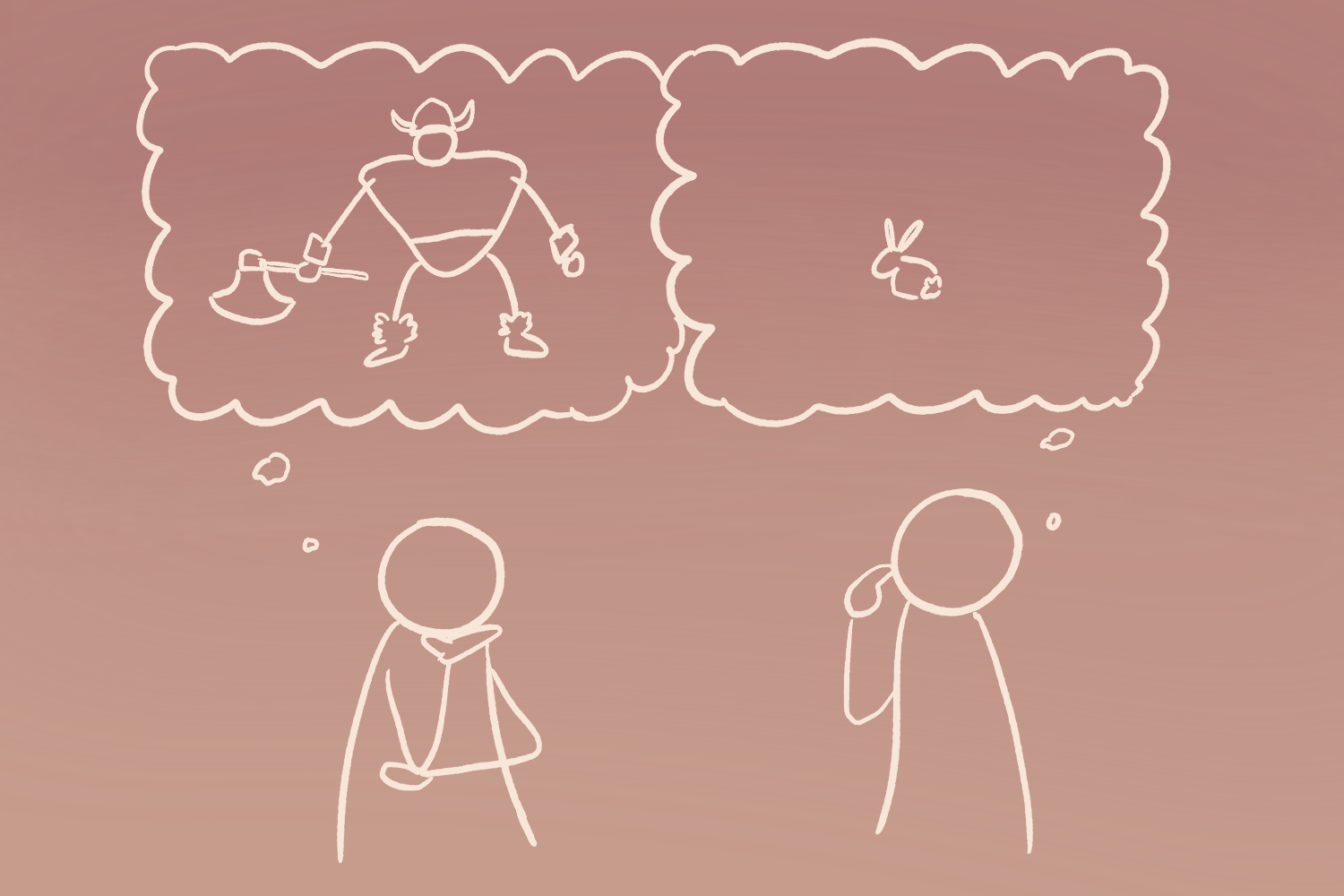
When working on a new project, the most exciting thing is to come up with grand ideas and concepts. However, this often results in excessive scope and busted dreams.
The best way to set up a project is to strip ideas back to the absolute basics and build up from those basics. This is called the KISS method – Keep It Simple, Stupid.
A key thing to remember is that, while designing games based on basic principles might sound boring or beneath everyone’s skills, flash and cool can always be added later. A good game is always fun and can look or feel basic, but a bad game is always bad and not fun no matter what it looks or feels like.
As a start, pick one mechanic and spend the first week or two getting that mechanic working and playable. As you playtest, ideas for new mechanics will start forming; pick one of those ideas and then spend the next week or two adding that mechanic.
Then, with the two mechanics added, playtest and follow the fun! Often the best innovations and ideas come from restriction; by creatively working around problems, like limiting the number of mechanics your game will have, you can often find some unconventional and unique ways to make your game interesting.
Communication
It is important to remember that written and verbal communication should be considered separate, and one should always follow the other. For example, if someone has written an instruction in chat directed at you, follow up in-person when you next see them to confirm. If someone mentions something to you in person, get them to confirm this in writing or write it up yourself and send it to them to double check understanding.
This method of communication can minimise confusion or misunderstanding between group members when working collaboratively and provides the team with a documented record to refer to throughout the capstone duration.
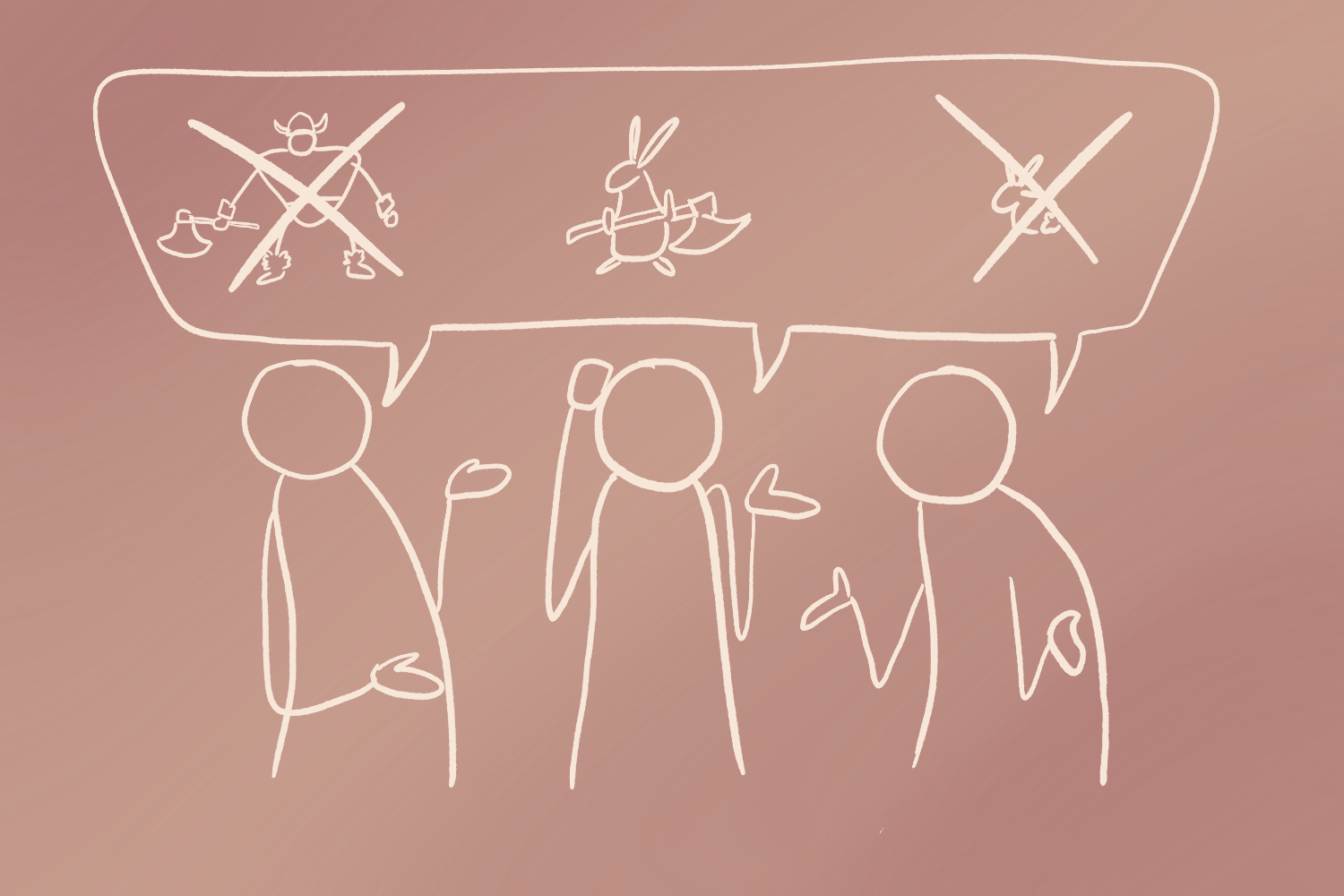
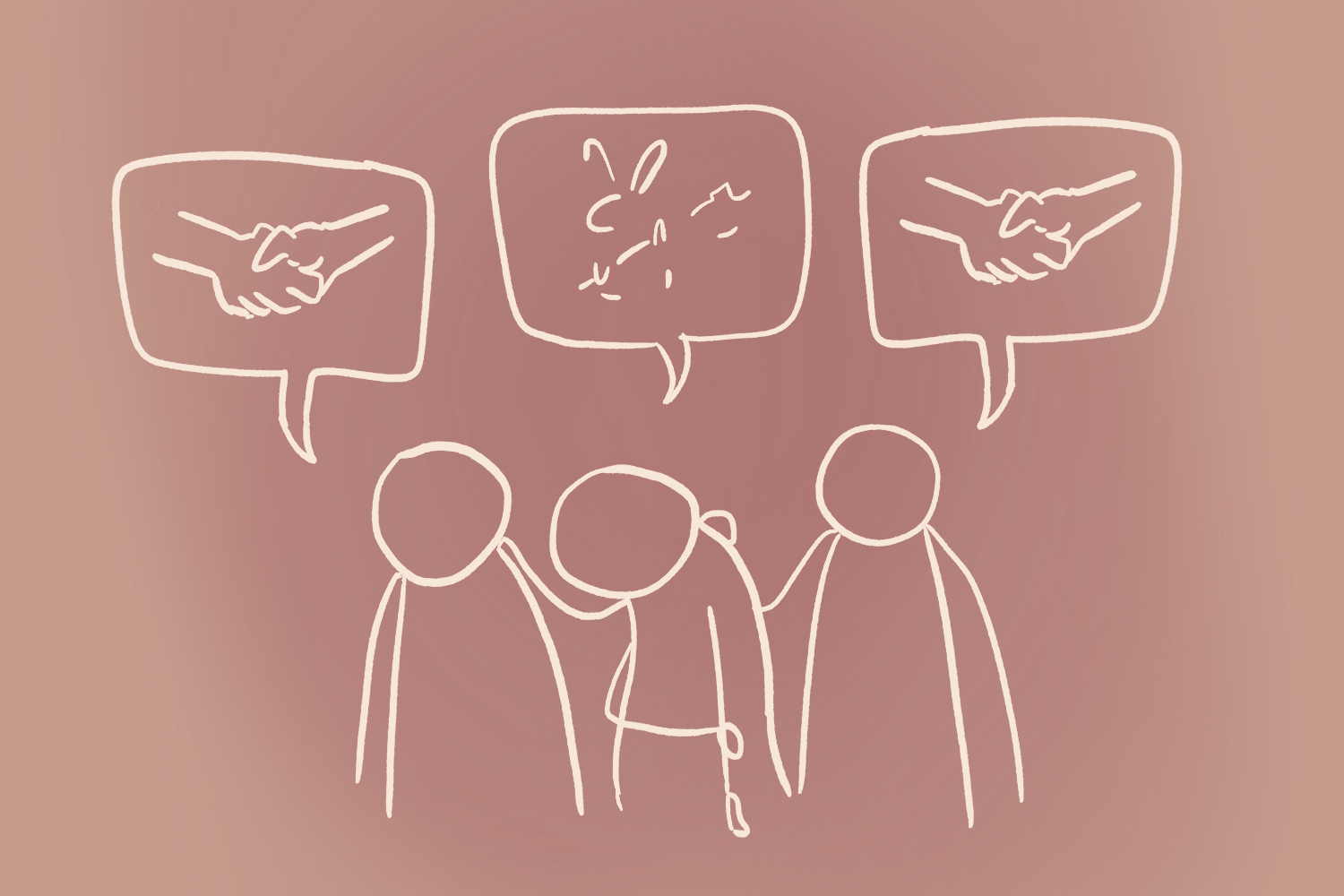
Whether you are writing or speaking, it’s important to remember that communicating ideas, feelings and objectives are some of the hardest things you will do during your project. This is especially hard when conflict arises because communication requires compromise before anything can be resolved.
One of the key things that can resolve conflict within groups is bridging goals from both parties. Here are some steps that I have used in the past that I find successfully resolve conflicts. But, an important note: this only works if both parties are willing to compromise.
Establish a common goal for both parties by asking ‘What do we both want that’s the same?’. For example: ‘Finish a fun game.’
Work out how to achieve that goal by asking ‘What does it take to reach this?’. For example: ‘Finalise mechanics and art.’
Break down the core problems that are preventing both parties from achieving their goals. For example: ‘Scope creep and lack of feature freeze prevents finalisation of mechanics and art.’
Work out compromises that can be agreed upon by both parties to achieve the goal outlined in Step 2. It’s important that both parties agree and stick to the agreement. Accountability is key! For example: ‘Reduce scope and freeze some features.’
Together, work out the next steps required to action those compromises. For example: ‘Have a whole team meeting to discuss scope and edit the game design document. Create a definition of done and build a feature freeze log that uses that definition.’
If conflicts continue, restart from Step 1.
Accountability
This one is an extremely tricky one because it deals with personalities, which is the one thing that you can’t change in others and that can only change in yourself. Accountability is one of those things that people have trouble with because it deals with feelings of shame when you have promised something but failed to deliver, have not given truthful feedback because you were afraid what someone would think, or made a mistake and feel guilty owning up to it.
Accountability relies on everyone in the team being honest and open, and often that means being vulnerable, which is extremely scary. However, if everyone approaches accountability with the mindset of setting a good example for others, this automatically creates an environment where everyone can feel safe while being accountable for their actions.
Being accountable means that you own up to your mistakes and it also means that you accept others when they own up to their mistakes. Not only does being accountable for your actions create a better bond with your teammates, it also significantly increases productivity!
Letting go
And finally, be ready to stop. Someone once told me that ‘a game is never finished, merely abandoned’ and it taught me not to invest all of my emotional wellbeing into one project. A capstone project is simply a university assignment and the ultimate goal is to learn how to get comfortable working in a games studio.
So, when feelings get tense, don’t forget to slow down, relax, and enjoy the process. Remind yourself that this is just a step in your career of gamemaking, mistakes are always allowed, and always remember to support your fellow gamemaker!